About Me

My name is Angel. I live in Mexico, and I'm currently in my fifth semester of mechatronics engineering. I've always been drawn to three things: programming, airplanes, and electronics. It was my love for programming, in fact, that led me to build this page - a peculiar hobby that started back in high school, when, out of nowhere, I got it into my head that I wanted to learn how to code.
I began with YouTube tutorials on C#. Back then my goal was to build a fairly ambitious video game in Unity - something my skill level at the time simply couldn't support. Still, I walked away with something more valuable than the game I never finished: I learned how programming logic actually works, even if only at a beginner's level.
Things changed for real when I entered a programming contest - the Mexican Informatics Olympiad (OMI). It was built around solving mathematical logic problems through code, and the peculiar thing about it was that it doubled as a classroom: I took programming lessons, this time in C++, alongside students from other cities, since the competition was organized at the state level. Even my teacher lived somewhere else entirely. Every class happened online.
I stayed involved with the OMI for about a year, and if I'm honest, it was a year lived under constant pressure - I wasn't just training and competing in the Olympiad, I was juggling several other competitions at the same time. But the OMI was always the one that had my heart. My teacher was already retired and spent his time training us purely for the love of the craft, and I learned an immense amount from him. I remember spending days and nights glued to my laptop screen, hunting down solutions. It was the exact same focus I poured into building this webpage. More than once, I stayed up straight through the night until dawn just to crack a problem - and that's no exaggeration. That intense environment is exactly why I managed to learn so much about C++. I performed well enough to take home a gold medal at the state level, which earned me a spot alongside three other peers to represent our state team at the National Competition. We didn't win the nationals, but the experience itself was invaluable. Later on, when I hit programming courses in college, they felt like a breeze thanks to everything I had already built up.
Ever since high school and right up to today, a major constant in my life has been throwing myself into extracurriculars. The OMI was just one part of it; I also got heavily involved in everything from robotics teams to art initiatives. You can catch a glimpse of most of those experiences in the gallery below.
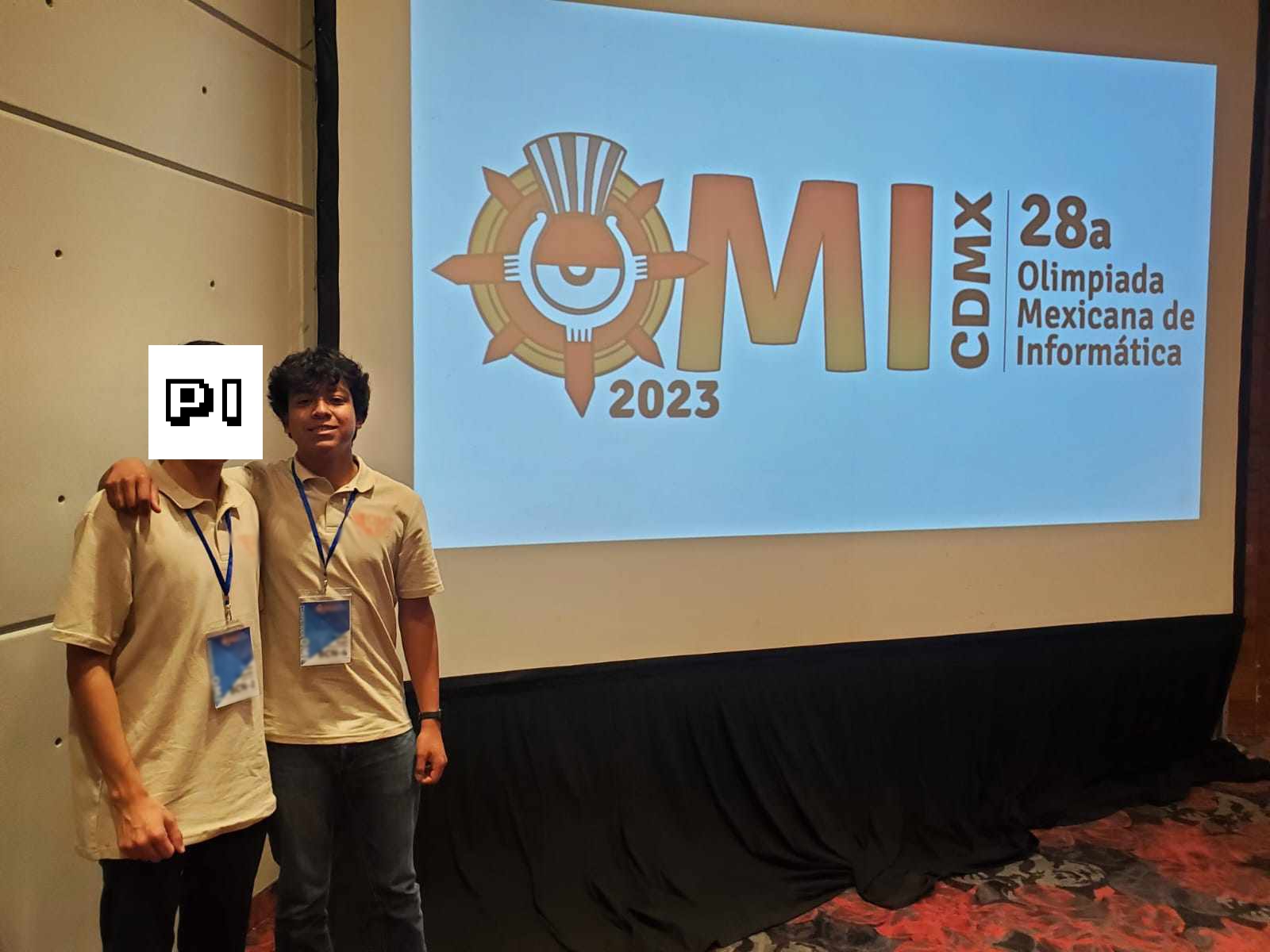
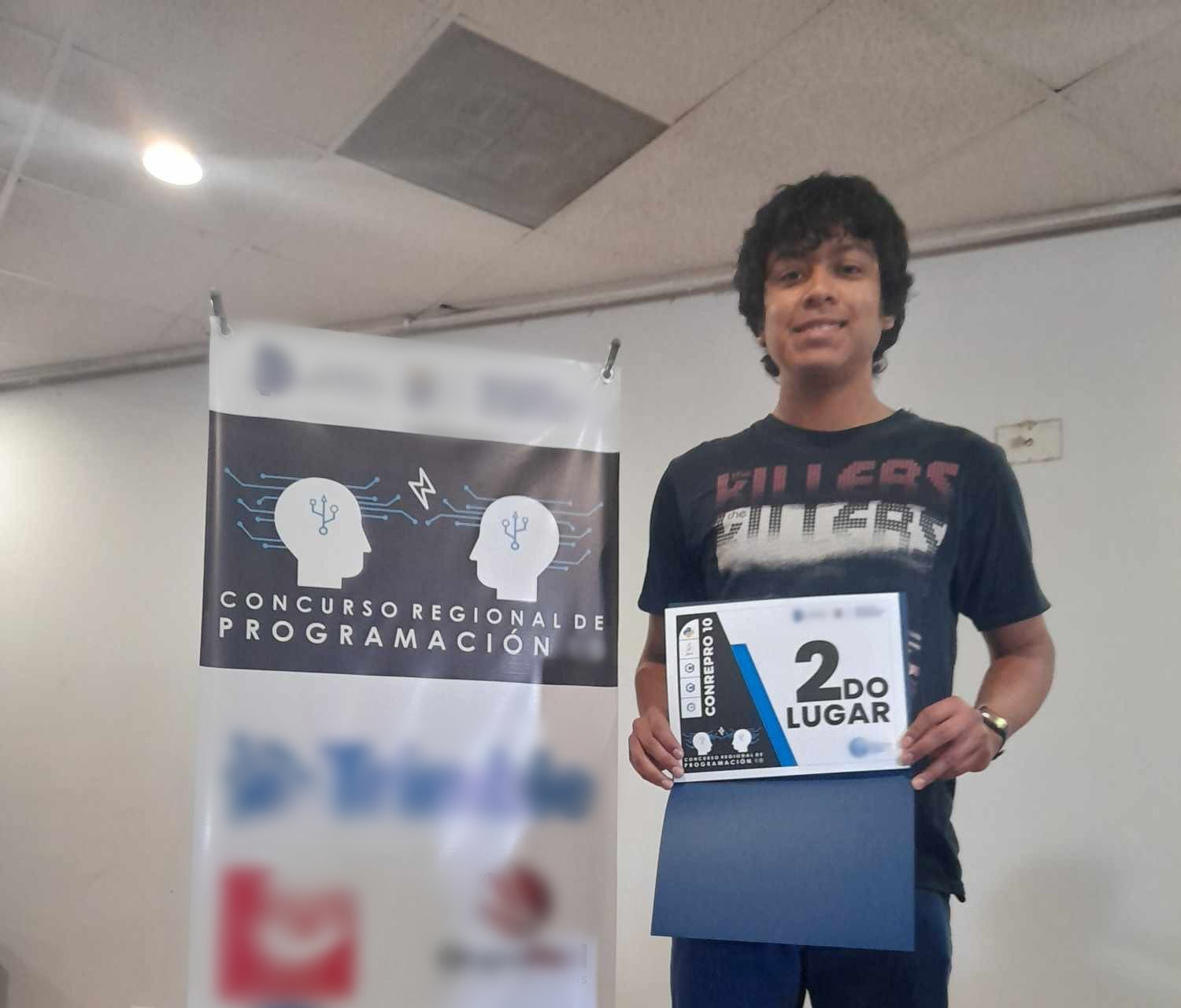
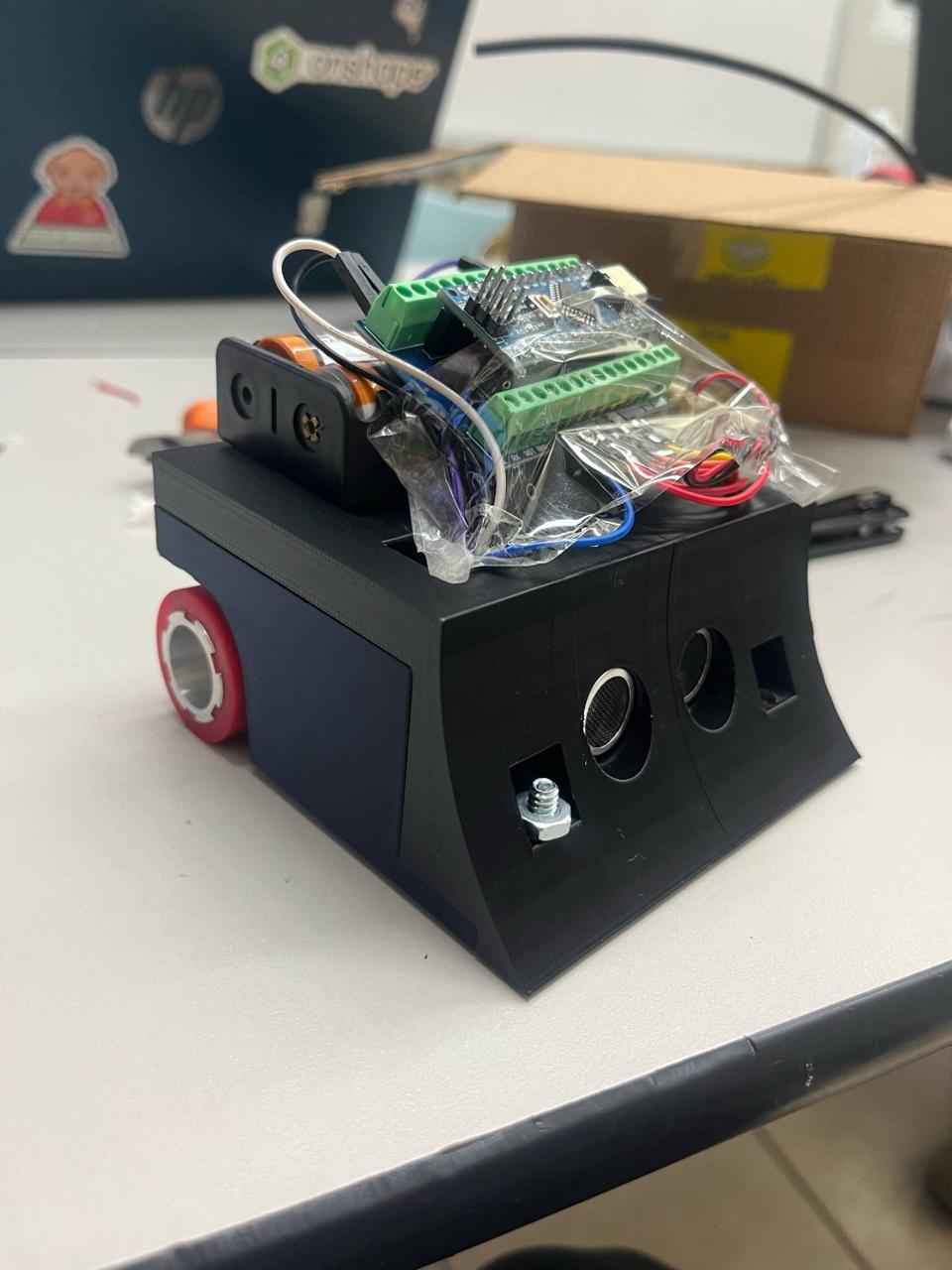
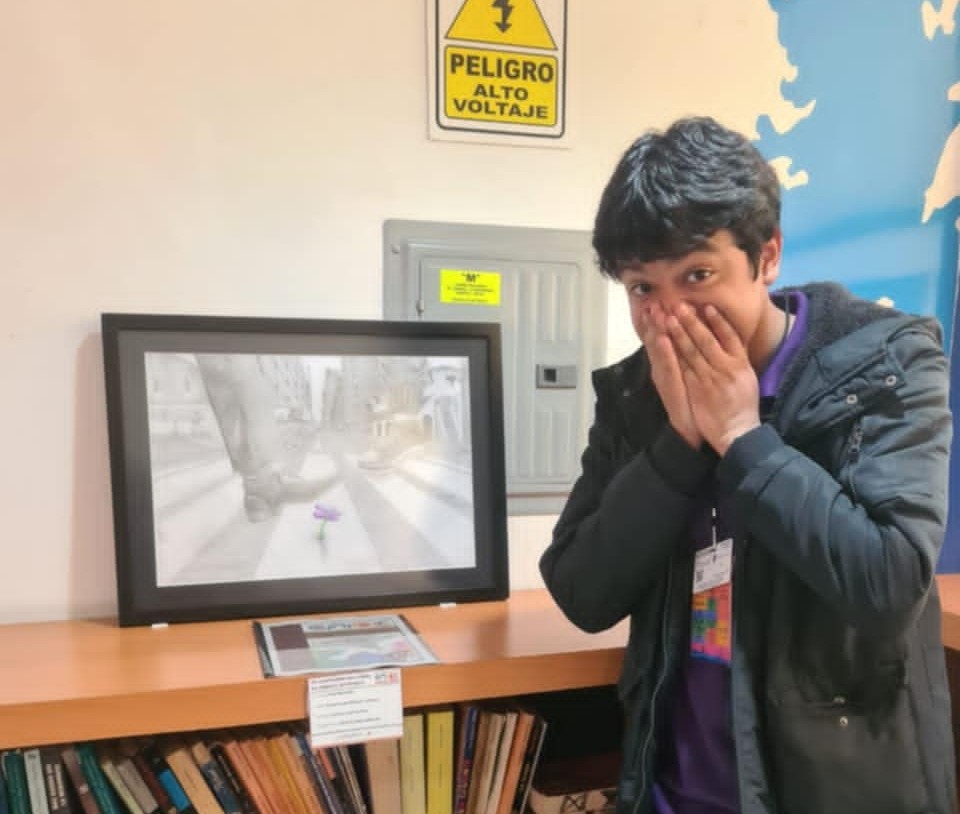
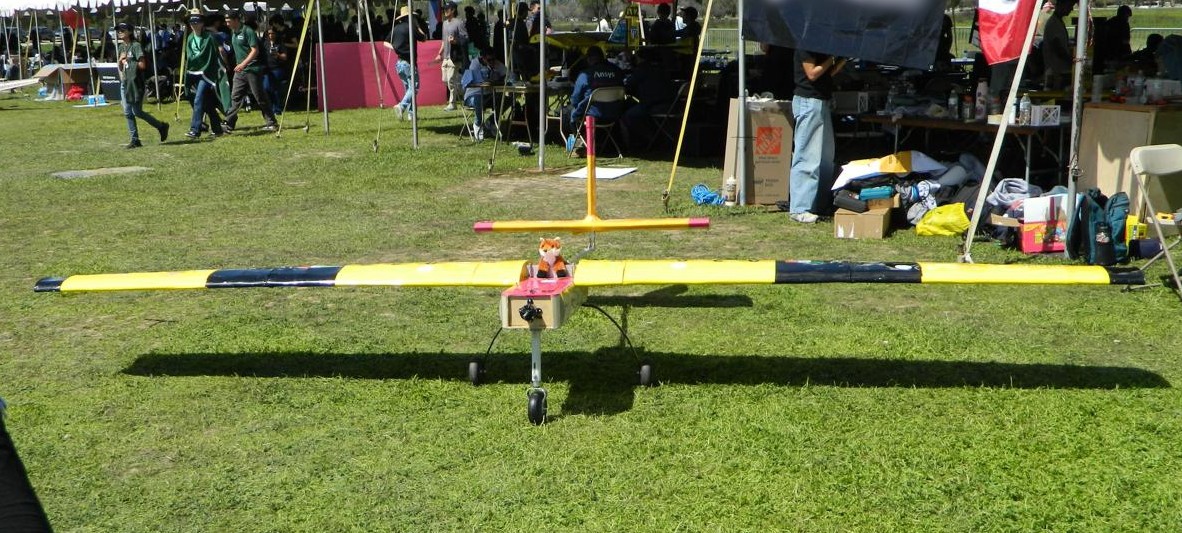
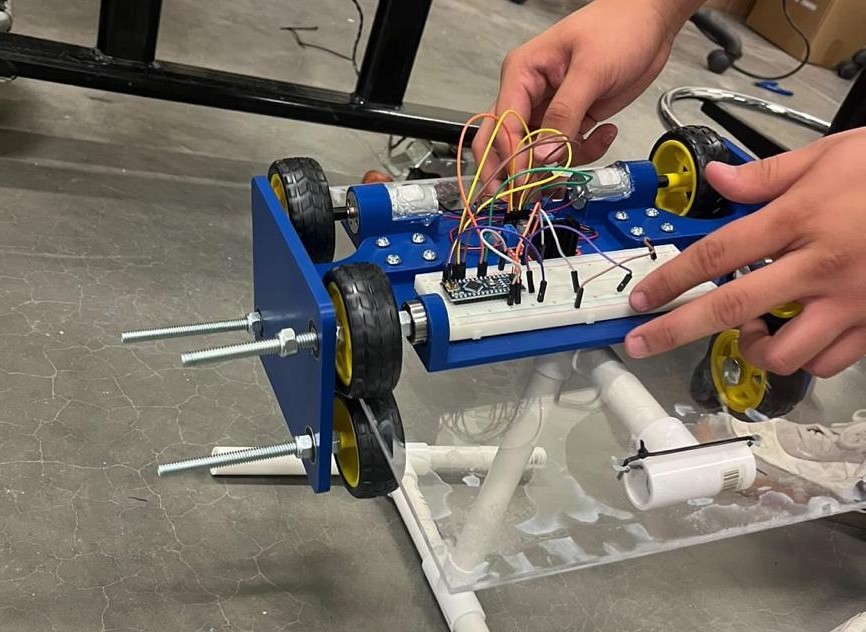
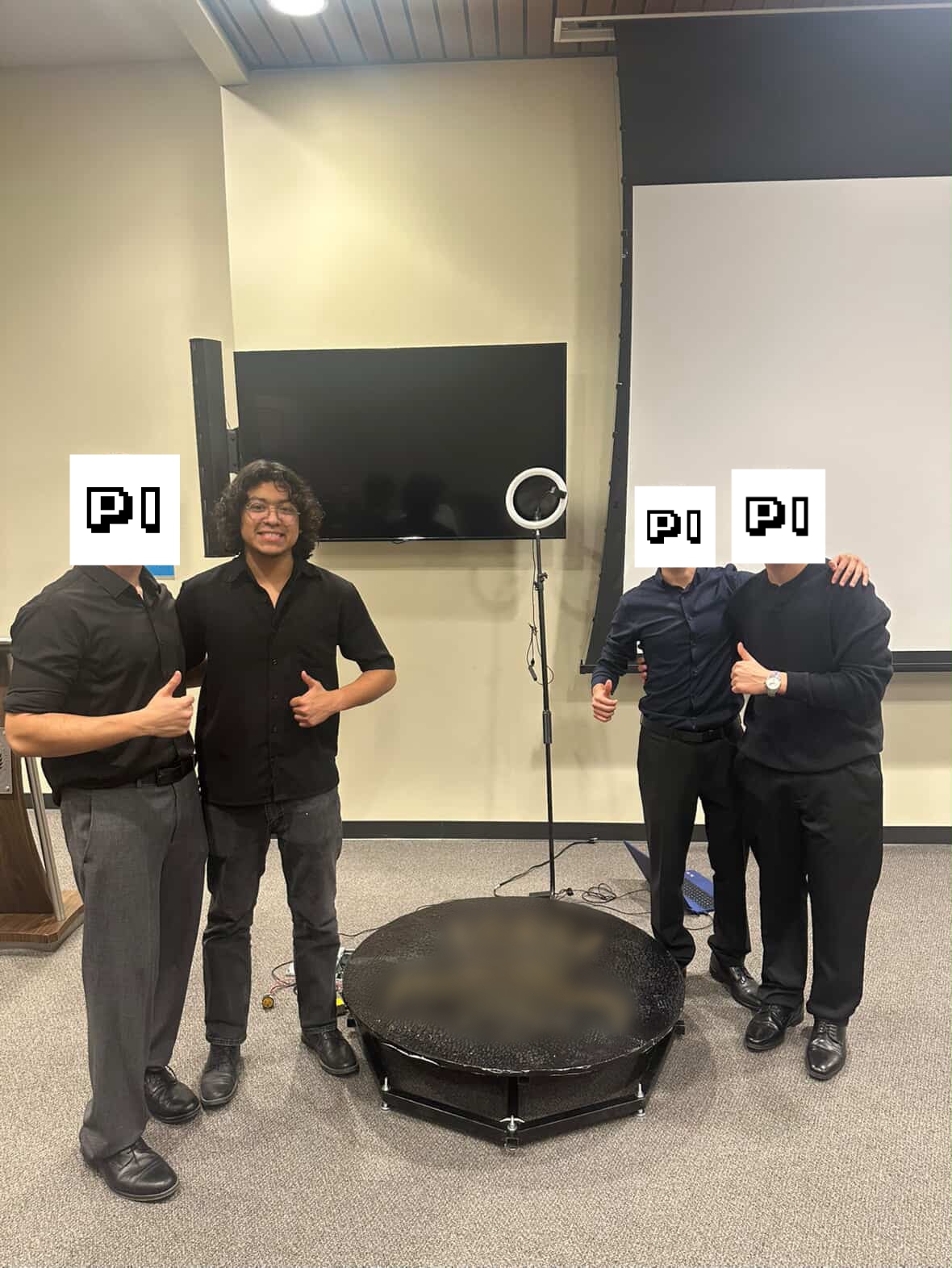
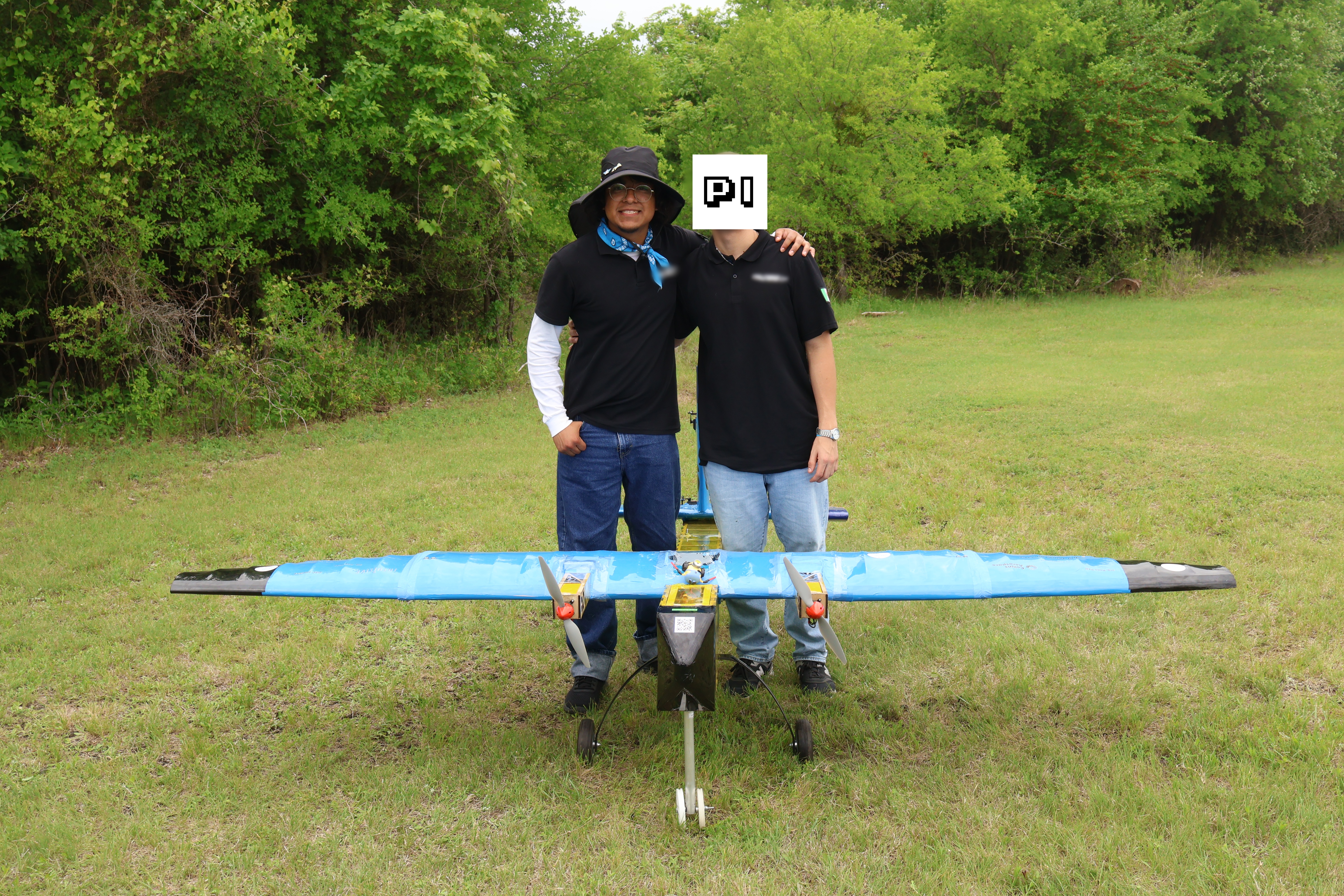
Diving into all those extracurricular paths opened up a lot of doors and led to opportunities I wouldn't have had otherwise - including the chance to study exactly where I do now. The university I attend holds a reputation as the finest private institution in our region, and it truly lives up to it. Under normal circumstances, an education like this would be completely out of reach for someone from my background, but I decided to take a chance and apply for a scholarship. They granted it to me. However, it only covers a portion of the tuition, and the remaining balance still represented a massive, daunting expense for my family. Even so, my parents and I decided to take the gamble and invest in my future.
At first, we managed to stay on top of the payments, but over time, inflation began driving prices up across the board, making it harder and harder to meet the deadlines. The breaking point arrived just a few months ago when my dad lost his job. Honestly, looking at the months ahead, I don't know how we're going to make it work. Balancing a massive academic workload, my commitment to family, and the extracurricular drives I love fills up every spare hour I have. It leaves me zero room to balance life as a student with a conventional job. Of course, I could throw in the towel on everything else and pick up double shifts to handle the tuition bills myself, lifting that weight off my parents' shoulders. But I worry about what that would do to my education. Because of my financial aid package, I am required to maintain a GPA of 90 or higher. So far, I've managed to keep my grades above that line with relative ease, but I know that maintaining that standard would become an entirely different battle if I had to carry the financial weight of my tuition on my own.
Ever since high school, I've had to navigate this constant tug-of-war between pushing myself to be an outstanding student or settling into being a regular one with a much less complicated path. This balancing act has pushed me to my absolute limit more times than I can count. My family has always made sure I had what I needed to get by, and I'm incredibly grateful to them for that, but we aren't wealthy by any means. There are a lot of us, everyone has needs, and most of the time the money simply doesn't stretch far enough. That's exactly why throughout high school and my first two years of college, I relied entirely on public transit.
If there's one thing I absolutely can't stand, it's the public transportation system in my city. The specific route I had to take was a daily headache, with wait times that fluctuated anywhere from 40 minutes to two solid hours. I grew to hate that schedule because it forced me to wake up at 4:00 AM every Monday through Friday for five straight years just to ensure I wouldn't be late for classes starting at 7:00 AM. I'd grab a quick breakfast around 5:00 AM and then go without a single bite of food until 4:00 or 5:00 PM when I finally made it back home. There were days where I went 15 hours straight without eating anything at all. A big part of that came down to staying late at school to work with the remote-controlled airplane team or whatever project I had running at the time. Since my parents couldn't afford to send me off with extra lunch money, I had to choose between eating an early breakfast or packing a meal to go - there simply wasn't time in the morning to do both. Yet, despite how exhausting it got, I never walked away from it. I'm grateful for the opportunities it brought and everything I learned along the way.
And that brings us to Pixel-it. I built this project as a way to cover my tuition bills, take care of the everyday expenses that come with an engineering degree, and give something back to support my family. Pixel-it isn't just a webpage designed to pull in some quick cash; it's a reflection of my fight as a student to keep my dream alive and keep discovering something new every single day. I genuinely love my major and the work I get to do surrounding it at university. Walking away from those spaces would feel like cutting out a piece of who I am. These projects and activities are what keep me going; they give me a way to step outside my daily stresses and they bring me genuine happiness. If you find yourself with the chance to purchase a few pixels, please know that it's going directly toward a meaningful cause : ) ).
Why buy pixels?
It's a fair question: what do you actually get by purchasing a handful of pixels on this page? The answer is straightforward: you secure a permanent spot on a digital canvas that never goes away. Your pixel art, your branding, or whatever message you choose to leave behind will remain woven into this site forever, entirely untouched. You can display whatever you like (as long as it stays respectful, of course) - the only real limit is your own creativity. It's a living gallery where thousands of visitors can pass by and look at what you've built.
But the visibility isn't the only reason to get involved. The real value comes from the knowledge that you're backing a clean, honest cause. Every single cent raised through this page goes directly toward keeping me in school and helping my family navigate a tough spot. Right now, we're navigating a very difficult stretch - my dad is out of work, and the tuition fees for this semester and the ones following it still have to be met. Because I study at a private university, the cost is simply too heavy to carry on my own, which is exactly why I poured my time into creating this page. Don't miss out on the chance to back a student who's out here working for his future, and make a little bit of internet history while you're at it! Pixel-it!
About the purpose of Pixel-it
As I mentioned earlier, I'm currently working my way through a private university where the tuition costs are incredibly high, and keeping up with those payments alongside everyday academic expenses is a massive challenge. With my dad losing his job, even if I threw all my energy into a regular job, the math simply wouldn't work out.
Given the weight of my responsibilities at school and at home, my free hours are incredibly slim - far too slim to generate any meaningful income on Mexico's minimum wage. I realized pretty quickly that instead of trading what little time I have for a paycheck that wouldn't even cover the baseline bills, I needed to take a different kind of gamble. I decided to stake my time on this page, aiming to raise enough capital to secure my education so I can keep moving forward without a constant question mark over my future.
About the idea
The core concept behind Pixel-it actually started taking shape a few years back, right around 2024 as I was preparing to graduate from high school. At the time, though, my daily schedule was just too packed to actually get the project off the ground. The idea didn't just appear out of thin air; it was sparked by a famous project that came before it: Alex Tew's "The Million Dollar Homepage." Back in my high school days, programming was already my favorite escape, and I stumbled across that 2005 project where a million pixels of advertising space were sold off. That was the moment the wheels started turning for my own version.
But as I said, the transition out of high school and into the entirely new world of college put the concept into a period of hibernation. The gap between those two chapters turned out to be incredibly intense, and through my first two years of engineering, I simply couldn't find the clear blocks of time needed to bring it to life.
That changed with the current summer break of 2026, which finally gave me the space to focus entirely on the build. It was something I had been mapping out for nearly the entire prior semester; the second my final exams were behind me, I sat down and started writing the code. It turned out to be an incredibly intense sprint. Even though I have a solid foundation in C++, the languages required to build a modern web platform were almost entirely new to me - at least in terms of syntax, since the core programming logic translates over quite well.
I ended up building this entire platform using HTML and JavaScript. I also relied heavily on AI tools to help me map out the architecture faster and hit my development goals. There were stretches where I was quite literally working day and night, waking up and going straight to the keyboard until 2:00 AM, only stopping to eat or use the bathroom. Yet, even if that sounds grueling, the truth is I had an incredible time building this page. I picked up a massive amount of new technical knowledge, and the process gave me a deep sense of focus. It felt a whole lot better than spending my vacation tracking video game achievements or scrolling through media from bed; it gave me a genuine purpose.
One element that stayed front and center during the design phase was the specific aesthetic I wanted to achieve. Personally, I find the hyper-minimalist, sterile look of modern websites incredibly boring. I wanted to build something that felt authentic, something with a distinct identity that wouldn't just blend into the endless sea of identical modern pages. That's exactly why I leaned into an "old-school internet" look, channeling the visual style of the late '90s and early 2000s web. It gave the entire project a completely unique flavor.
From there, I had to nail down exactly how the platform would operate. The high-level vision was simple enough: a 1,000x1,000 pixel canvas where any user could claim a space, leave a custom message, and link it back to their own site. But the actual user experience required a lot of trial and error. I drew inspiration from a few different places to design the selection mechanics. Initially, I drafted a rigid pixel-by-pixel tool where every single click filled a single space. It became obvious very quickly that this was agonizingly slow; if someone wanted to map out a larger, complex design, the process would be incredibly tedious. To fix that, I built two distinct workflows: a "single" mode and a "multiple" mode. The first kept the click-by-click precision, while the second allowed users to drag out wide selections, much like highlighting a group of files on a desktop wallpaper.
For a while, I thought that was the perfect solution, but then I ran into a massive variable I hadn't factored in: mobile phones. Up until that point, I had been building and testing everything exclusively inside desktop browsers, completely overlooking how the layout would behave on small touchscreens. The moment I loaded the dragging tools onto a mobile interface, I realized it was completely broken and impractical. I had to rethink the entire system. To make the "single" and "multiple" options work, I had relied on two large control buttons that swallowed up a massive amount of valuable screen space on mobile. I made the executive decision to scrap them entirely and unify the mechanics into a single fluid interaction. That's how I arrived at the current design - a hybrid system that blends the best parts of everything I had built before it.
Another major pillar was setting up the financial backend, which is always a complicated hurdle when handling online payments. If you want to process transactions independently without relying on structured third-party platforms, you first need a completely finalized enterprise entity, specialized compliance clearance, and thousands of dollars just to cover licensing fees - something that was obviously out of the question for me. Which meant building this without an external payment processor was never really an option.
That's where Stripe came in. I compared it against a few similar services before writing it into the code, and it came out ahead on transaction fees without forgetting, of course, what the tax authorities take on top of that. That math is exactly why the minimum purchase is set at 5 pixels: any lower, and the fees and taxes would eat whatever fair margin is left. So rest easy about your data - Stripe has years of experience doing exactly this, and protecting it is their whole business.
One thing that tends to frustrate web developers everywhere is not being able to land the domain name they actually want - that string you type into the address bar, the same kind of thing as youtube.com or google.com. The obvious choice for this page would have been its own name, but that domain came with a price tag far beyond what I could pay. So I started playing with the wording. A common phrase or set of letters can carry a steep price in that world, but shift the words slightly, or add a letter here and there, and the cost drops fast simply because it's no longer something everyone's already fighting over. That's how I landed on pixelitpage.com: it keeps the spirit of the project intact while saving significantly on the domain itself.
And that, all together, is the story of how this page came to be. Thanks for reading.